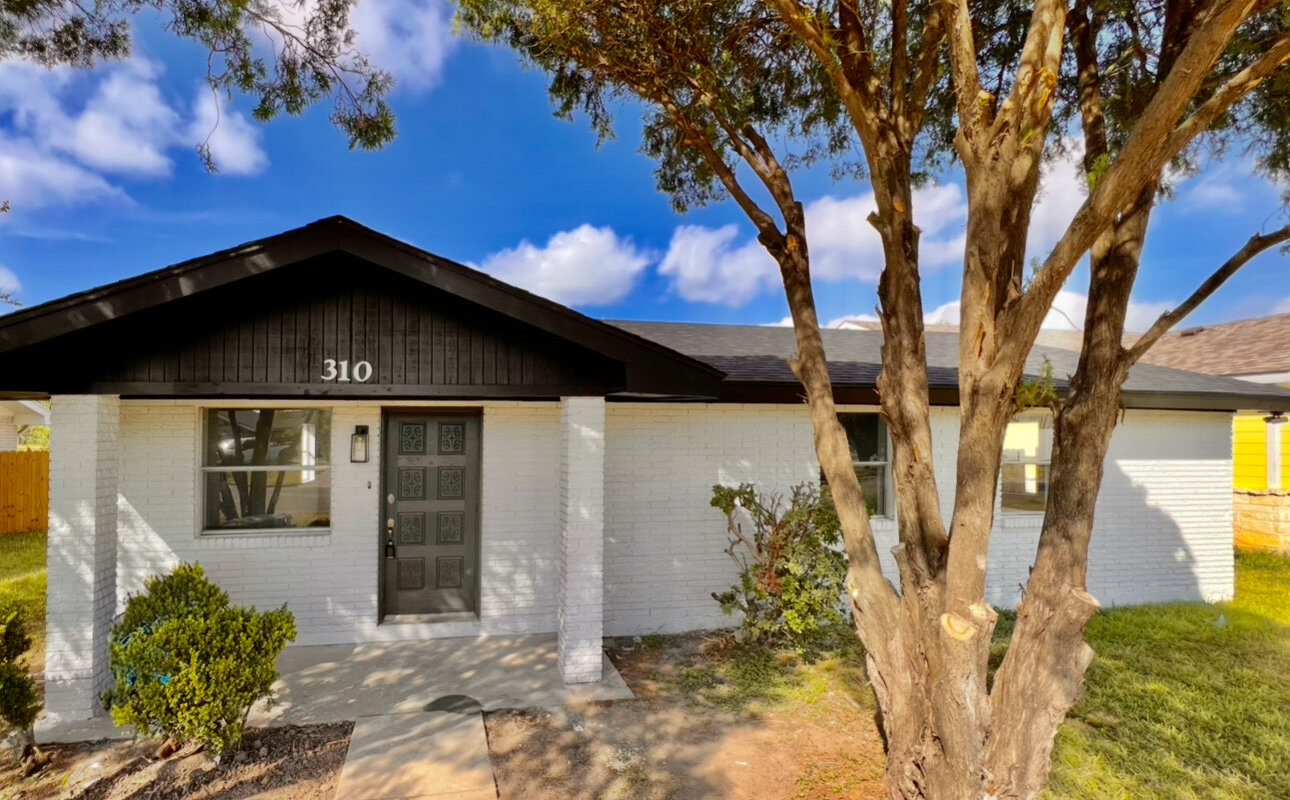

Termites are overwhelming to find. They are small creatures that do major damage to wood structures in your home. Termites are a hazard to the safety of your home and decrease your home’s market value. Because homes are already in the process of being sold, the termites are a huge problem.
However, termite issues are common in Harlington and the rest of Texas. The warm climate of Texas is a perfect home for termites to breed. Selling your home with the termites is not the best option you have. Once you have treated the home for termites, you should be able to sell the home as you want to.
Can you sell a house with termite damage in Texas?
It is perfectly legal to sell a house that has termite damage in Texas. Texas has a warm and humid climate, and termites are prevalent in every Texas county. Texas is a Zone 1 termite risk area, and buyers, as well as real estate professionals, understand and expect that a home will have termite issues.
Homes that have termite damage or active infestations can still sell; it all depends on how the termite issues are diagnosed and treated. If a home has a termite problem and the seller can document the issue’s mitigation with a termite inspection and treatment report, repair invoices, and treatment warranties, the seller will be seen as taking every possible step to boost the buyer’s confidence in the home.
A real estate professional who has sold a home with termite issues will be able to describe how termite problems are resolved through marketing and how to repair and disclose termite issues. In a marketplace with active termites, exposed properties will have many buyers if the repairs have been documented.
How Termites Affect a Home Sale
Termite damage can have a direct impact on how easily your home sells. Most traditional buyers prefer properties that are move-in ready and may be hesitant to take on a home that requires pest treatment and repairs. Even when the damage isn’t visible, a history of termites can raise concerns during the buying process.
If termites are detected early, professional treatment and minor repairs may be enough to keep the sale chugging along without major complications. However, when damage is more extensive, you may face a smaller pool of interested buyers or prospects who would choose to walk away, leaving investors or cash buyers as the primary options.
Financing can also become a challenge for buyers. Most mortgage lenders require a termite inspection, so an active infestation or unresolved damage can prevent loan approval. As a result, buyers who rely on financing may be unable to move forward with the purchase. If you’re searching for a reliable company that buys homes in Harlingen, give us a call at (956) 255-8168 for a no-obligation offer.
Finally, termite damage can reduce your home’s market value. Buyers typically expect a price adjustment to account for repair costs and future risk. The more extensive the damage, the larger the discount that buyers may request. Understanding these factors can help you decide whether to repair, treat, or adjust your asking price before listing your home.
Signs of Termites in a Home
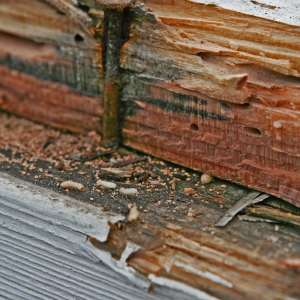
Although termites aren’t ants, they’re often called “white ants” because they’re small. They’re small and easy to miss, but they can damage your home. Termite infestations in your home often go undetected because they feed from the inside.
The fact that termites are hard to spot makes them dangerous. Repairs, inspections, and renovations often reveal infestations that went undetected for years. At worst, repairs can cost hundreds or thousands of dollars by the time the damage is found, depending on how far the infestation has spread.
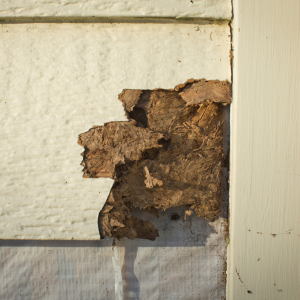
Homes with untreated wood or moisture issues are more prone to termites. Hollow wood, bubbling paint, warped floors, and discarded wings near windows and doors are warning signs. Leaky pipes, poor drainage, damp basements, and unsealed crawl spaces provide termites with moisture. Since termites are always looking for food and water, these conditions make a home vulnerable. Long-term infestation can weaken structural components and the foundation.
How To Sell A House With Termite Damage
1. Schedule A Termite Inspection
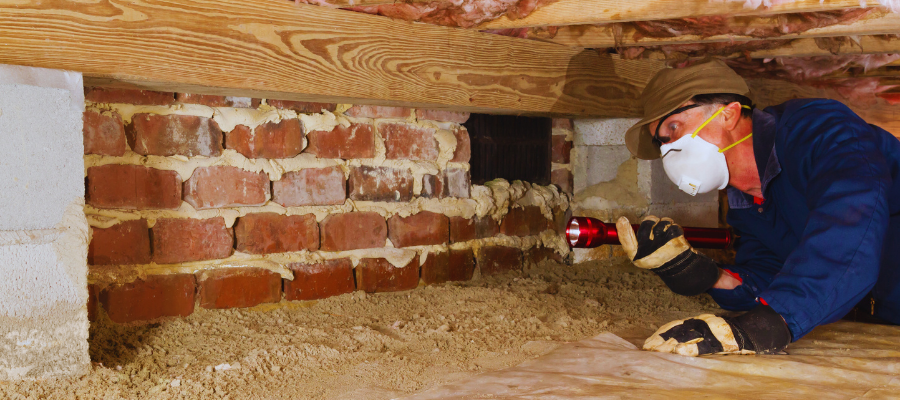
Even if you know your home has termites, a professional inspection is necessary. A licensed inspector can identify termites and assess damage. A small problem in one area may be part of a larger infestation in other parts of the house. Because termites spread, damage to a basement, crawl space, or wall doesn’t mean the rest of the home is safe.
A professional inspection covers all areas, including hidden ones. Inspections look for infestations, past damage, and future termite attractants like moisture or untreated wood.
Termite inspections cost $100–300, depending on property size, accessibility, and detail. This upfront cost is essential when selling a termite-infested home.
After the inspection, you’ll receive a detailed report on the damage, infestation status, and repair options. This report clarifies your next steps and lets you be transparent with buyers. Professional documentation boosts credibility and simplifies selling negotiations.
2. Prepare the home for the inspection and treatment
After scheduling your termite inspection, prepare the home so the inspector can see everything. Remove clutter, stored items, and furniture that may block termite activity zones. Cleaning out boxes and stored belongings will allow the inspector to fully inspect the basement for termites.
Preparation helps the inspector move quickly and catch everything. Limited access may prevent inspectors from fully assessing the infestation, resulting in incomplete reports or the need for a follow-up. If you have a tight sale deadline, this can delay things.
You should also fix moisture issues before the inspection. Fix leaks, dripping faucets, and standing water immediately. Moist conditions attract termites and cause damage. Fixing these issues prevents further infestation and shows buyers that the home was well-maintained.
3. Decided to Repair or Sell As-is
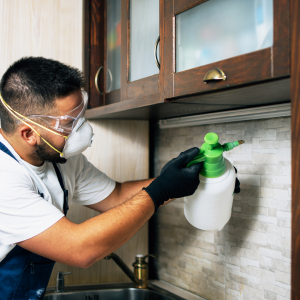
Once you have the inspection report and understand the termite damage, choose the best option. Most often, you must decide whether to fix up the home before selling it or leave it as is. You decide based on the damage, your budget, your timeline, and your willingness to manage repairs and contractors.
Expect upfront costs if you repair. When selling the home, you may not get every dollar back for treatment and structural repairs. Based on the scope of the work, repairs can delay selling by several weeks. Complete repairs may attract traditional buyers and raise sale prices.
An as-is home sale is faster and less stressful. It lets buyers handle repairs after closing. In exchange for repair costs and risk, as-is sales attract investors or cash buyers who expect a discount. Buyers may pay less than market value, but sellers value speed and simplicity.
4. Disclose the Damage
When selling a home with a history of termite activity or damage, full disclosure is essential. In Texas, sellers are legally required to disclose known issues, including past or present termite infestations. Being upfront not only helps you stay compliant with the law but can also work in your favor during the selling process. Trying to hide termite damage often leads to bigger problems, including lost buyer trust, delayed closing, or even legal issues after the sale.
Honest disclosure allows you to attract the right type of buyer from the start. Some buyers are open to purchasing a fixer-upper, while others, such as real estate investors, have the experience and budget to handle repairs and treatment. Being transparent helps avoid wasted time with buyers who aren’t prepared to take in a property with prior termite concerns.
It’s equally important to keep detailed records of everything done to address the issue. Save inspection reports, treatment invoices, repair receipts, and any warranties provided by pest control companies, as these documents show buyers that the problem was handled properly and professionally.
5. Market and List Your Home
Successfully selling a home often depends on buyers’ first impression, online or in person. It’s important to present your home even if termites have damaged it. Clean, stage, and prepare the home for showings and listing photos to change buyers’ perceptions. Homes with prior issues often need extra attention to detail to help buyers see their positives.
Make buyers feel welcome when they enter. Clear lighting, neutral decor, and a tidy space go a long way. Bake cookies to warm up the home and make potential buyers smile.
Price is as important as presentation. Listing price shapes buyer expectations and interest. If a home is priced too high, buyers may expect a flawless, move-in-ready property, while a low price may make them wonder if something is wrong. Given the home’s condition, recent repairs, and local market trends, a realistic price attracted serious buyers from the start.
6. Negotiate Effectively
Powerful negotiating starts with knowing the condition and value of your home and the potential value of your home after repairs. You should know the estimated repair costs and the realistic value of the home. All of this information puts you in the driver’s seat when negotiating.
Your information allows you to guide the discussion and set the tone. Price your home in line with your knowledge and protect yourself from too low of an offer or too discouraging of an offer.
Holding the line on your price doesn’t mean you can’t move the deal forward. You can offer seller concessions, potential repair cost coverage, closing cost coverage, or other terms to make the home more attractive. These strategic cost concessions can help you buffer your bottom line on the deal.
7. Close the Deal
The final step of the selling process is the closing. This is the transferring of ownership of the property to the buyer. Most of the coordination is done by the title company, your real estate agent, and escrow. All of them will go over the necessary documents and determine if the necessary contracts are satisfied.
Once the title company or escrow agency completes a title search, if no liens are unresolved or ownership problems exist, there will be no impediments to closing. If the buyer requests it, they’ll perform a final walkthrough of the house to confirm that the property’s condition matches what was previously agreed upon during the negotiations.
Once closing conditions are satisfied, ownership of the property is transferred by both parties signing the closing documents. Once it is done, the title company will disburse the money, and the sale will be finalized. You can expect that this process will be easy if you have done everything right and have kept your communication clear.
Selling With A Real Estate Agent Vs. Cash Buyer
Choosing between selling with a real estate agent or selling directly to a cash buyer largely depends on your goals, timeline, and the condition of your home. Each option comes with its own advantages and trade-offs, especially when termite damage is involved.
Selling with a real estate agent
Collaborating with a real estate agent with your home being a victim of termite damage can be considered a wise choice. Agents know how to market homes with such pre-existing damage and guide sellers on how to handle home inspections, document disclosure, and negotiations. Damages caused by timber pests, if repaired well, will not keep agents off. Most of them have handled the same issue before.
Agents can also help you determine if you should do some repairs before your home is listed. Most agents will evaluate the comparable sales and repair costs, then determine the pricing relative to the market and conditions of the home to attract as many buyers as possible. If you have questions on how to sell your house, look at our process for buying a house.
The biggest downside is, of course, the costs and time. There are real estate agent fees of 3-6% of the sale price, and the entire procedure can last 30-60 days or even longer. There is also a lot more work that has to be done on the seller’s side, such as preparing the house, making sure people have a place to stay, and responding to buyers’ requests.
Pro:
- Experience in selling homes with termite history
- Often results in a higher sale price
Cons:
- Agent commission of 3% to 6%
- Closing the timeline often takes 30-60 days.
Best choice if you plan to repair the termite damage before listing and want to maximize your sale price through a traditional sale.
Selling As-Is To A Cash Buyer
Some home sellers prefer to sell as-is to a cash buyer rather than listing with an agent. Tenants quit cash buyers of real estate investors and home-buying companies looking to buy cash properties with termite damage. These buyers take the cost of repairs and subsequent renovations into the purchase offer. As cash home buyers in Texas, this method is popular for homes that are not eligible for conventional financing.
Since cash buyers use their own money, there is no need for a mortgage approval, which is a huge benefit when selling a house with termite damage. Most lenders need a house to have a clear termite inspection before they will give a loan.
Selling to cash buyers is also faster and easier than selling to other buyers. The process involves a lot less work because there will be fewer showings, no need to stage the house, and no negotiating. Most cash buyers buy the house as-is, which means no repairs, no future inspections that need to be scheduled, and no money having to be spent before the house is sold. In many cases, the cash buyer will pay the closing costs.
As we mentioned before, selling to cash buyers is convenient, but it’s not uncommon for them to offer less money than the other options. This is because cash buyers have the costs, risks, and efforts of dealing with repairs. However, for sellers who prioritize avoiding the stress of dealing with repairs and selling the house, this option is worthwhile.
Pros:
- No agent fees or commissions
- Fast closings, often within 7-14 days
- No repairs, cleaning, or staging required
- Reduced risk of delays
Cons:
- Lower sale price compared to traditional sale
Best choice if you want to sell quickly, avoid repairs, and prefer a simple, hassle-free process.
Final Thoughts: Selling a Home with Termite Damage in Harlingen, Texas
It is possible to sell a home infested with termites; many Texans do it. The key is providing the necessary legal documentation, being honest about the condition of the home, and communicating well with the buyer. There is no need to fix the damage before selling your home. There are several options you can take to sell your home without repairing the termite damage.
An option that can make the process easier is selling to House Buyers RGV directly. We understand the stress and uncertainty that come with selling a home with termite damage and have helped many homeowners in Texas. No need to stress about time-consuming negotiations and costly delays. We make the process simple by allowing you to sell your home to us with no renovations necessary.
Contact us to get your cash offer!
Contact us at (956) 255-8168 or fill out the short form below to get started.