
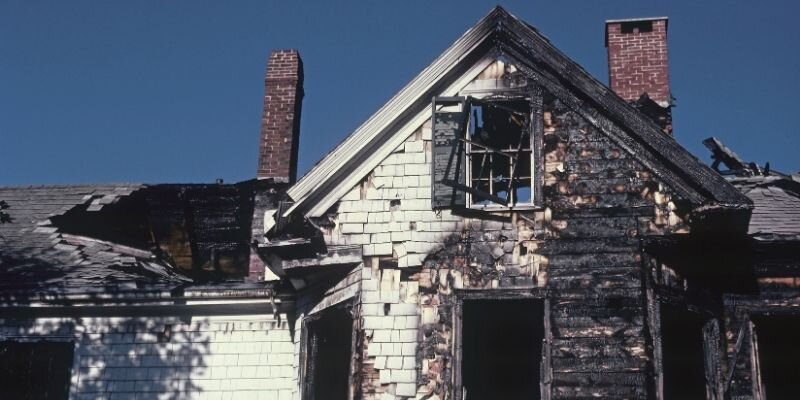
Remember the first time you saw smoke coming from a house? In 2023, there were 344,600 residential structure fires, and many families didn’t know what to do next. If you own a fire-damaged house in Texas, there are tools and support available to help you move forward.
Fire damage is more than walls and goods. It can impact future planning, insurance claims, and financial decisions. Once the fire department has left and the emergency has passed, homeowners are often left wondering what the best plan of action is for their property and family.
When working with Texas homeowners who have experienced fire damage, one thing is clear: For some, selling a fire-damaged property as-is might be a wise option. It may not be about quitting or admitting defeat, but it may be the decision that makes the most sense for you. Whether you are facing structural damage in McAllen, heavy smoke damage in Brownsville, or a burned-out kitchen in Harlingen, you have more options than you might think.
Steps to Take Immediately After House Fire Damage in Texas
Many homeowners feel they have plenty of time to determine what to do after a fire, but things might change in the weeks that follow. Secondary damage can arise, carrying expenses can persist, and insurance claims require many judgments.
Starting the claims procedure with your insurance carrier is a priority. Before cleaning or repairing, take photos and videos of the property. Records can aid insurance negotiations and preserve damage information.
Secure the property if possible. Boarding up windows, covering roof openings, and moving undamaged belongings to a dry space can prevent further loss. Without a quick cleanup, the water used to put out the fire can lead to mold and extra restoration work.
The cost of repairs and restoration alternatives can be better understood with various contractor quotations. Compare professional assessments to assist homeowners in deciding on repairs, insurance claims, and property plans.
To illustrate, a kitchen fire spread through the home of a McAllen family already struggling financially. Their timetable and circumstances led them to sell the property as-is. Their plans and search for a new home were expedited by the sale.
Check with local fire restoration pros to determine the scope of repairs and building code requirements. Local rules might affect restoration prices and timelines depending on damage.
Finally, think about your choices beyond repair. House Buyers RGV has worked with families throughout the Rio Grande Valley and beyond who found that selling as-is gave more financial flexibility than attempting to restore. Sometimes the math works better when you skip the entire repair process.
What Happens When Your Texas Home Gets Fire Damage
Smoke can move through a house and get into rooms that don’t have lights on. Soot can enter your HVAC system and blow throughout your home. Water used to extinguish fires can also penetrate subflooring, wall cavities, and insulation, and will require additional repairs if not dealt with.
The Smokehouse Creek Fire burned an estimated 1 million acres in the Panhandle in 2024, the largest wildfire in Texas history. Wildfires continue to torment many parts of the state, and Dallas and Houston have seen fire damage from electrical failures, cooking accidents, and other common causes.
Depending on the size of the fire, a professional evaluation of support beams, roofing, foundations, and other structural components may be required. If you also have a house with foundation issues, it is important to have the foundation assessed by a qualified professional before deciding whether to repair, restore, or sell the property. Inspect the electrical systems for any damage that could affect safety or performance.
Insurance adjusters and contractors see property differently. Contractors will price the cost of repairs to the property. Covered losses and replacement costs are the basis for insurance assessments. Building codes can affect the need for repairs today, especially in older homes that must have changes made during a renovation.
A fire can hold down a home’s value even after the repairs are finished. In an attempt to give buyers peace of mind, Texas disclosure laws require sellers to disclose aspects of the property, including fire history. The property’s history and condition may affect its price and marketability.
Homeowners may be left to pick up the tab for restoration. If your home is damaged by fire, you will still have to keep paying your mortgage, property taxes, and insurance premiums, keep the utilities on, and find temporary accommodation.
Get a fair cash offer and sell your home for cash in Texas quickly and without stress.
What Fire Damage Repairs Cost Texas Homeowners
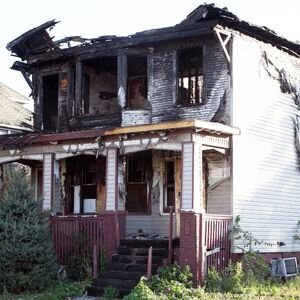
The cost of fire damage restoration can vary greatly based on the extent of the damage, the size of the property, and the repairs needed. In one case, a kitchen fire in Weslaco resulted in extensive restoration work that surpassed the limitations of the homeowner’s insurance, prompting the family to weigh other possibilities for covering the cost of recovery.
Fire damage restoration runs about $27,500 on average, with most projects landing between roughly $3,100 and $52,000. Costs can be much higher for properties requiring large structural repairs, especially where many building systems are damaged.
Restoration costs swing from one part of Texas to another, depending on local labor, supplies, permits, and the extent of the work. Fire damage cleanup could be billed on a per-square-foot basis, and structural repairs such as foundation work or replacing the roof may make up a large percentage of the total project cost.
Smoke cleanup is the removal of odors and airborne particles via specialized equipment and techniques. Depending on the level of smoke exposure, services may include thermal fogging, HVAC cleaning, and ductwork repairs to improve indoor air quality and remove any remaining contaminants.
Building permits, inspections, and other code compliance requirements can add additional costs to the project. When older homes are rehabilitated, sometimes the electrical, plumbing, or other systems have to be upgraded to meet current building codes. The final restoration budget could also be affected by material and labor costs.
Contractor availability, permitting processes, and complexity of the work will determine project schedules. Restoration services may be delayed due to a lot of construction in the area or a major weather event, and this may impact overall project planning.
Homeowners may also need to allow for the cost of temporary accommodation if the property is not immediately habitable. Depending on location and length of displacement, the overall recovery budget may include hotel, rental property, or extended-stay accommodations.
Debris removal and disposal are also often part of fire restoration efforts. The cost will also be determined by the amount of debris, the level of contamination, disposal requirements, and any special handling procedures that local authorities require.
Why Selling Your Fire-Damaged House As-is Makes Sense
When there’s a fire, people have to make a tough decision: do they rebuild the house or sell it as is? Which choice is best relies on things like how much repairs will cost, your insurance coverage, your personal situation, and your long-term goals.
One problem is that you are still paying for ownership during the repair process. During repairs, you may still have to pay your mortgage payments, insurance fees, property taxes, utilities, and upkeep charges. Depending on the project size and timescale involved, these charges can be a substantial portion of the whole financial picture.
Some can help with restoration costs with insurance payments, but it depends on the policy and claim. Homeowners might also need to think about deductibles, depreciation, insurance limits, and any building code regulations that have an impact on repair costs. Looking at the settlement against contractor estimates provides a clearer picture of out-of-pocket expenses that might be incurred.
Occasionally, restoration attempts find further fixes that were not apparent in the early aftermath of the fire. As the work develops, the ultimate project budget and schedule can be impacted by issues such as structural concerns, code compliance requirements, permits requirements, or material costs.
Some homeowners may contemplate selling a fire-damaged property “as is.” There are buyers in various Texas areas who will buy properties that need repair, so owners do not have to manage a restoration effort of their own. This could be attractive to individuals who want a quicker transaction or don’t want to spend more time and money on repairs.
Personal circumstances often carry as much weight as property-related considerations. Relocation plans, financial goals, family obligations, health concerns, or estate administration responsibilities can influence the most practical course of action. What works well for one homeowner may not be the best fit for another.
Tax considerations may also be part of the decision-making process. Depending on the circumstances, fire losses, insurance proceeds, restoration costs, and property sales may have tax consequences. Homeowners should talk with a certified tax advisor about the effect the various options may have on their situation.
Both restoration and as-is sale situations can be evaluated to ultimately provide a more complete picture of the choices available. Homeowners can weigh estimated expenses, timelines, obligations, and potential outcomes to choose which option best fits their financial goals and individual circumstances.
Cash Offers vs. Traditional Sales for Fire-Damaged Homes
Most homeowners wonder if they can list fire-damaged property through the usual procedures. This is how that method compares to cash sales.
Traditional fire-damaged home sales need considerable disclosure. Texas law requires sellers to disclose fire history, reducing the buyer pool. You must target cash buyers or investors eager to renovate properties because most conventional mortgage lenders won’t finance them.
Selling fire-damaged property is different from typical postings. Unpresentable homes make pictures tough. Safety and liability waivers are required for shows. Many real estate professionals lack experience with damaged property and may underprice it or market it to the wrong buyers.
Fire damage complicates buyer financing. Homes must be habitable before closing for FHA, VA, and conventional loans. Even renovating buyers face banking constraints that might scuttle purchases weeks later.
Conditional inspections pose obstacles. Fire-damaged houses often require thorough professional inspections, which lead to repair requests, price discussions, or agreement cancellations when the damage is revealed.
Cash buyers minimize several financial obstacles that impede home sales. Fire damage experts like House Buyers RGV can assess your home and offer a reasonable cash price. Cash transactions don’t require mortgage approvals or financing contingencies, making closing faster, simpler, and more dependable. Contact us immediately for a free property evaluation to determine the value of your fire-damaged house.
Cash sales close in 2–4 weeks, but traditional sales take 60–90 days. Saving time means saving money on damaged property carrying charges. Quick closings decrease weather and vandalism damage (exposed roofing encourages problems).
In typical fire-damaged property sales, there are frequently costs of carrying the property, agency charges, and buyer-requested repair concessions, all of which can eat into net revenues and harm the seller’s bottom line.
Cash buyers are professionals with inspections, title work, and closing coordination. You don’t have to supervise restoration projects and wonder if buyers will buy when they see damage.
How Fire-Damaged House Buyers Evaluate Your Texas Property
The value of damaged property can vary widely depending on the extent of the damage, the location of the property, the local market conditions, and the estimated cost to repair the damage. Just recently, an Edinburg property received a cash offer that included the property’s condition and estimated costs to bring it back to market-ready condition.
The evaluation methods used by buyers of distressed or fire-damaged properties are generally quite different than traditional residential appraisal methods. They weigh the current state of the property, what the repairs are likely to cost, and what the home could be worth once that work is done.
The first thing to consider is the level of damage. Fire damage can range from minor smoke and cosmetic damage to serious structural damage. The amount of work that will have to be done can greatly affect how a home is valued by potential buyers.
Location counts too. In big cities like Austin, Dallas-Fort Worth, and Houston, homes may be more appealing to buyers because of increased demand for housing and stronger resale markets. Market forces may be different in smaller towns and rural areas, depending on the local economy and housing market.
In the evaluation, it is also necessary to determine the cost of repairs. When making an offer, buyers often consider local labor rates, cost of materials, permitting limits, code compliance requirements, and other restoration costs. Such figures are usually indicative of the current market climate and local construction prices.
The condition of the property at the time of sale may also impact the appraisal. Weather, water getting in, and not doing regular maintenance could change how much the job costs and what needs to be fixed.
Buyers can get a better sense of the local market by comparing similar houses in the neighborhood. For example, sales of homes that are remodeled, in poor condition, or other properties with similar characteristics as the subject property may be considered.
The time frame for transactions and paperwork can be affected by insurance claims and payment status. Most buyers don’t think of a home in terms of an insurance claim, but rather the physical condition of the home and how much work they think it will take to fix it.
House Buyers RGV has developed standard methods for assessing fire damage and can complete an evaluation within 24 to 48 hours. We do not guess. We follow a set process that reviews the damage, estimates restoration costs, and builds the offer from there.
The price paid for buildings damaged by fire varies a great deal, depending on a number of factors. Before listing a home, homeowners should weigh multiple offers, estimate the cost of repairs, and consider the pros of an as-is sale or restoration.
How to Sell Fire-Damaged Houses in Texas for Cash

If you’re a homeowner who is considering selling a fire-damaged property in its present condition, you might want to know how the evaluation and offer process generally works. Taking some time to review your alternatives and collect information might help you get a better understanding of what possibilities are out there.
Many cash buyers look at different markets, so do your research before you start asking for offers. Some specialize in distressed or fire-damaged buildings and may have a better understanding of repair costs, local market conditions, and what drives property appraisals.
Preparation of the necessary documentation may also help during evaluation. Insurance estimates, contractor assessments, utility records, property tax information, and other applicable documents allow buyers to better understand the property’s condition and history.
Getting appraisals from several buyers will give you a better idea of market value. Buyers may use different techniques, repair assumptions, and investment requirements, and this can lead to varying offers. Homeowners may wish to compare multiple offers to get the one that works best for them.
The buying price is not the only thing to consider when evaluating offers. Transaction parameters, such as closing charges, title expenses, deadlines, and contingencies, can all affect the total outcome. A detailed examination of each offer makes it more accurate to compare available possibilities.
Homeowners may want to check out the buyer’s experience, financial capability, and transaction history. You can request references, proof of funds, and past purchases. This can give you extra confidence that the buyer is able to go through with the sale as planned.
It’s not unusual to have discussions about offers in many real estate sales. In some cases, modified repair estimates, new property information, or changes to closing terms may impact the final agreement between the parties.
Closing timelines are flexible to accommodate the demands of the buyer and seller. Some owners want a quick sale, others might like the added flexibility of working out moving plans, insurance issues, or other personal reasons.
Firms that buy fire-damaged houses on a regular basis will usually help you with the administrative side of things, such as working with the title company and taking care of the necessary paperwork. Each company provides different services, so it’s important to investigate each buyer’s method and level of support.
Homeowners should research all contract conditions and closing documents carefully before signing any agreement. Knowing the contingencies, timetables, fees, and other duties can help ensure that the transaction goes as expected.
At House Buyers RGV, we buy houses in Harlingen and the surrounding areas, making it easy for homeowners to sell fast without hassle. As cash home buyers in McAllen, we take on fire-damaged homes across the Rio Grande Valley too.
How Fast Can You Sell a Fire-Damaged House in Texas?
How long it takes to sell a fire-damaged property will vary depending on the sale method, kind of buyer, title status, and transaction requirements. Sometimes, properties sold to cash buyers might close faster than standard real estate transactions since they tend to have fewer financing-related stages.
Cash purchases usually do not require mortgage clearance, which can make the whole transaction process easier. But timelines are still dependent on factors like title review, document preparation, buyer due diligence, and the precise parameters agreed upon by both sides.
The same processes that apply to any real estate transaction usually apply to title work for a fire-damaged property. Title companies check the ownership records, confirm liens, and draft closing documents, no matter what condition the property is in. The time to close can vary based on the intricacy of the title history and any concerns that may need to be resolved.
One thing that could affect the length of preparation is the sales plan you choose. Traditional listings generally include repairs, cleaning, staging, marketing, and showings to buyers, while other as-is sales require less property preparation. The amount of labor necessary will depend on the seller’s goals and the expectations of prospective buyers.
You may aid the assessment along by providing documents such as insurance records, contractor estimates, utility information, and mortgage information. Organized data could enable buyers, title companies, and anyone engaged in the transaction to review information more effectively.
For example, one homeowner who inherited a fire-damaged property decided to finalize the transaction remotely from another location in Texas. By working with the buyer, title firm, and other parties electronically, the transaction was completed without the need for significant travel or in-person meetings.
Homeowners may also want to shop around for several offers before making a decision. By considering offers, closing costs, transaction terms, and schedules, you can obtain a far better sense of what is available in the marketplace.
Once an offer is accepted, the closing process usually includes a title review, verification of payoff of any existing mortgages, document preparation, and coordination between the buyer, seller, and title company. The time it will take to execute these steps depends on the intricacy of the transaction.
Some transactions can progress faster when everyone is prepared, and paperwork is in hand. Others take longer due to title issues, working with lenders, estate concerns, or other administrative issues.
Market circumstances can affect pricing and levels of interest from buyers, but the type of sale, the parties involved, and the processes that need to be followed before completion can frequently have a more immediate effect in terms of the timeframe of the transaction.
Frequently Asked Questions
How Hard Is It to Price a Fire-Damaged House?
Most homeowners struggle to price fire-damaged homes without professional help. Most cash buyers use 50-70% of the expected after-repair value minus restoration costs, but proper pricing requires local building prices and realistic timelines.
What Is the Hardest Month to Sell a House in Texas?
Texas’s weakest sales month is January, owing to holiday spending and weather worries, but investors buy fire-damaged properties year-round. As-is, cash sales have fewer seasonal issues than traditional market sales.
What Is the Most Common Reason a Property Fails to Sell?
Most listings fail because sellers overprice fire-damaged properties, especially when they don’t account for buyer financing and renovation costs. Major repairs make traditional markets difficult for buyers because most can’t finance unfit properties.
Looking to sell your fire-damaged home without the hassle of restoration? Contact House Buyers RGV for a no-obligation examination and cash offer. We’ve assisted hundreds of Texas families in moving ahead after fire damage, and we recognize that often the best solution is the one that gets you to the next chapter the quickest.
Helpful Texas Blog Articles
- How to Sell a Distressed Property in Texas
- How to Sell a Condemned House in Texas
- Paperwork for Selling a House by Owner in Texas
- Can You Sell a House As Is Without Inspection?
- Seller Occupancy Rights And Timeline After House Closing in Texas
- Can Texas Home Sellers Legally Refuse Buyer Repair Requests After Inspection
- How Does Selling a House With a Mortgage Work in Texas
- How to Sell a Fire-Damaged House in Texas
- How to Sell Your Apartment in Texas
- How to Sell Your House While in Bankruptcy in Texas
- How Much Does It Cost to Sell a House in Texas
- How to Sell a House with Foundation Issues in Texas